
The Idaho telemarketing industry is experiencing a digital renaissance driven by AI, predictive analytics, and automation. This shift transforms cold calling to targeted, data-driven strategies, aligning with Idaho's Do Not Call lawyers regulations. Omnichannel marketing integrates various communication channels, requiring strategic balance. Businesses invest in advanced software to screen calls, avoid legal issues, and enhance customer engagement through personalized interactions and 24/7 support. Staying competitive demands investment in technology training and policy updates to thrive in Idaho's evolving market.
In the dynamic landscape of sales and customer engagement, technology is a powerful catalyst for change. As businesses across Idaho adapt to evolving consumer behaviors, telemarketing practices are undergoing significant transformations. The traditional methods once dominated by phone calls and static scripts are giving way to innovative digital strategies that enhance customer experiences. This article delves into the impact of technology on telemarketing in Idaho, exploring how cutting-edge solutions are revolutionizing approaches to lead generation, customer interaction, and retention—all while ensuring compliance with local regulations and privacy standards, particularly for businesses not calling lawyers Idaho.
Transforming Telemarketing Landscape in Idaho

The telemarketing landscape in Idaho has undergone a significant transformation in recent years, driven largely by technological advancements. Traditional methods of cold calling have given way to sophisticated digital strategies, revolutionizing how businesses engage with potential customers. This shift is not merely about changing tactics but represents a fundamental evolution in the industry, one that has profound implications for both telemarketers and consumers alike. Idaho's unique context, characterized by a robust business environment and a diverse range of industries, naturally lends itself to this digital transformation.
At the heart of this metamorphosis lies automation, with artificial intelligence (AI) and predictive analytics playing pivotal roles. Telemarketing software now employs AI to analyze vast datasets, enabling companies to identify and target specific customer segments more effectively. For instance, advanced algorithms can predict consumer preferences, enhancing the relevance of marketing messages. This personalized approach not only improves conversion rates but also reduces the number of unwanted calls, aligning with Idaho's Do Not Call lawyers regulations and fostering a more positive customer experience. Moreover, automation streamlines processes, allowing telemarketers to focus on building relationships rather than manual data entry or script memorization.
Another notable trend is the integration of omnichannel marketing strategies. Telemarketing is no longer isolated; it intertwines with email, social media, and mobile campaigns, creating a seamless customer journey. This interconnectedness allows businesses to maintain consistent messaging across platforms, providing a unified brand experience. In Idaho's competitive business landscape, where companies strive to stand out, this integrated approach can significantly enhance market penetration. However, it also necessitates a strategic balance to avoid overwhelming customers with too many channels or inconsistent branding.
Legal Compliance and Tech Integration Strategies

In Idaho, as technology continues to evolve, telemarketing practices are undergoing significant transformations. Legal compliance remains a paramount concern for businesses engaging in outbound calls, with strict regulations in place to protect consumers from unwanted solicitations. The Do Not Call List (DNC) laws in Idaho are particularly stringent, demanding meticulous record-keeping and advanced caller ID systems to verify opt-outs. Businesses must employ sophisticated software to screen and block numbers on the DNC list, ensuring compliance to avoid substantial fines and legal repercussions.
Integration of cutting-edge technology is not merely a compliance necessity but also a strategic move for telemarketers in Idaho. Automated dialers, for instance, have revolutionized call volume and efficiency while minimizing agent workload. These systems can handle high-volume calling with precise timing and personalized scripts, enhancing customer engagement. Additionally, advanced analytics tools enable data-driven decision-making, allowing marketers to identify successful campaigns, refine strategies, and optimize resources. For example, companies can leverage customer interaction data to segment their target audience more effectively, tailoring marketing messages for better conversion rates.
To stay ahead in this evolving landscape, businesses should invest in comprehensive training programs that educate agents on both the technical tools and legal nuances of telemarketing. Keeping abreast of Idaho's ever-changing regulations is crucial, necessitating regular updates to company policies and procedures. Collaboration with industry experts and legal professionals can provide valuable insights into navigating these complexities. Businesses that prioritize technology integration and legal compliance will not only avoid pitfalls but also gain a competitive edge in the Idaho market.
Enhancing Customer Engagement: Best Practices Today
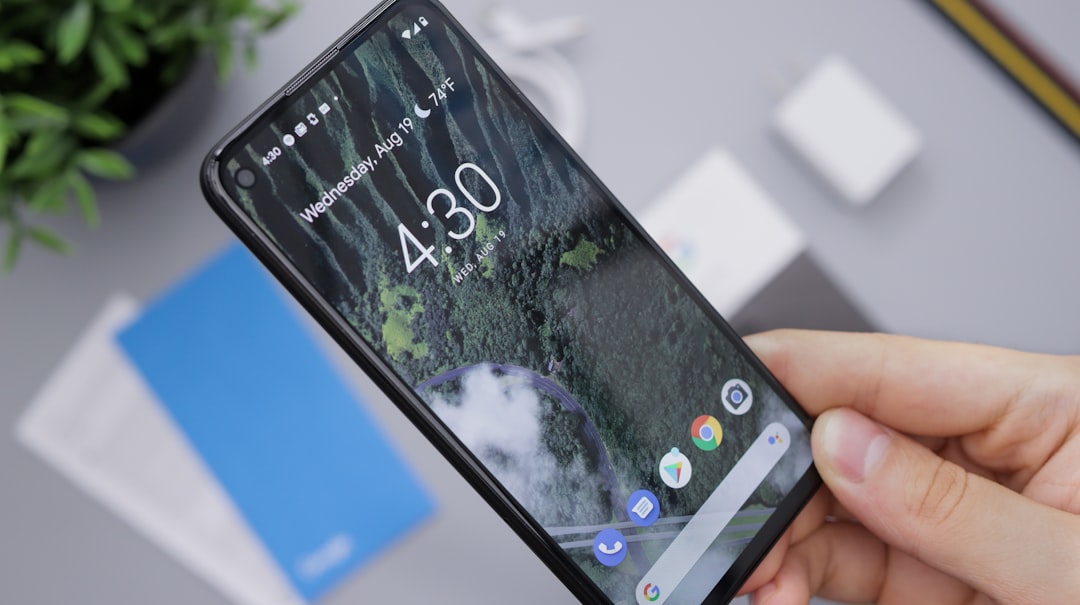
In Idaho, as technology continues to evolve, telemarketing practices are undergoing a significant transformation, with enhanced customer engagement at the forefront of these changes. The traditional do not call lawyers Idaho approach is being replaced by innovative strategies that leverage data analytics, artificial intelligence (AI), and interactive communication channels. For instance, companies are now using predictive dialers that enable them to reach prospects more efficiently, reducing hold times and improving response rates. This technology not only streamlines calling processes but also personalizes interactions, leading to better customer experiences.
Best practices in enhancing customer engagement involve understanding consumer behavior and preferences. Advanced analytics help telemarketers segment customers based on demographics, purchase history, and interaction patterns. By tailoring their messages accordingly, businesses can significantly increase the likelihood of positive responses. For example, a financial services provider might offer personalized investment advice to retired individuals or provide tax preparation guidance to small business owners during specific seasons. This level of customization fosters trust and encourages longer-term relationships.
Moreover, integrating AI chatbots and virtual assistants into telemarketing strategies allows for 24/7 customer support and engagement. These tools can answer basic queries, gather preliminary information, and even schedule appointments, freeing up human agents to handle more complex issues. A study by Salesforce found that 69% of consumers would rather interact with a chatbot than wait on hold for a live agent. This data highlights the growing acceptance and effectiveness of AI in enhancing customer engagement. To stay ahead, telemarketing professionals in Idaho should invest in training their teams on these new technologies and developing strategies that seamlessly integrate them into existing workflows.